
Owning a boat means preparing for more than the hours spent cruising, fishing, or relaxing on the water. Seasonal weather, storage conditions, and periods of inactivity can all influence the condition of a vessel’s interior. Seating deserves particular attention because it combines several components that require proper care. Choosing suitable boat seat materials can help owners maintain an attractive and comfortable interior while reducing the effects of environmental exposure. Those planning an upholstery project can explore professional marine solutions through Boat Upholstery Fort Lauderdale, which specializes in boat and yacht interior upholstery.
Seasonal Changes Put Marine Upholstery to the Test
Marine seating experiences different challenges throughout the year. During warmer months, direct sunlight and high temperatures can affect exposed surfaces. Rain, humidity, and temperature fluctuations create additional concerns, particularly when a vessel remains outdoors.
Periods of inactivity can also cause problems. Cushions left in damp storage areas may develop unpleasant odors, while uncovered seating can collect dust and dirt.
These conditions make material selection an important part of long-term interior care. Owners should consider where their boats are stored, how frequently they are used, and how much protection the seating receives between trips.
Prepare Seating Before Long-Term Storage
Proper preparation can make a noticeable difference when a boat will remain unused for several weeks or months.
Owners should begin by removing loose dirt and cleaning upholstery according to the manufacturer’s recommendations. Salt deposits, sunscreen, and other residues should not remain on surfaces throughout the storage period.
Cushions should also be completely dry before storage. If possible, removable cushions can be kept in a clean, dry, and ventilated location. This helps limit prolonged moisture exposure and protects the internal foam.
The choice of boat seat materials also matters during storage. Some surfaces are easier to maintain than others, but every product benefits from appropriate cleaning and protection.
Understand How Sunlight Affects Different Surfaces
Ultraviolet radiation is one of the main factors contributing to upholstery deterioration. Prolonged exposure can cause fading, discoloration, and gradual changes in surface performance.
Open cockpits, bow seating, and helm chairs are particularly vulnerable because they often receive direct sunlight throughout the day.
Owners should look for marine-grade products with documented UV resistance. However, performance varies between manufacturers, so checking technical specifications is more reliable than judging a product by appearance.
Protective covers can reduce direct exposure when the boat is not in use. Regular inspections also help identify early signs of deterioration before the damage becomes more extensive.
Moisture Protection Requires More Than a Waterproof Surface
Water resistance is an important characteristic, but it should not be the only consideration when selecting upholstery.
Moisture can enter through damaged seams, worn stitching, or vulnerable cushion construction. Once it reaches internal components, drying may become more difficult.
For this reason, owners should examine the entire seating system rather than focusing exclusively on the exterior covering. Cushion backing, seam construction, drainage, and ventilation all contribute to overall performance.
When comparing boat seat materials, it is worth considering how the product handles repeated exposure to moisture and whether its maintenance requirements suit the vessel’s typical conditions.
Marine Vinyl and Fabric Offer Different Advantages
Marine vinyl remains a common choice for boat seating because it is available in numerous colors, textures, and finishes. Many products are designed for convenient cleaning and outdoor marine applications.
Specialized marine fabrics provide another option. They can introduce softer textures and distinctive patterns, making them attractive for certain seating areas and interior designs.
Neither option is automatically suitable for every boat. Owners should compare product specifications, intended applications, and cleaning recommendations before making a decision.
The right choice depends on the location of the seating, expected exposure, personal preferences, and willingness to perform regular maintenance.
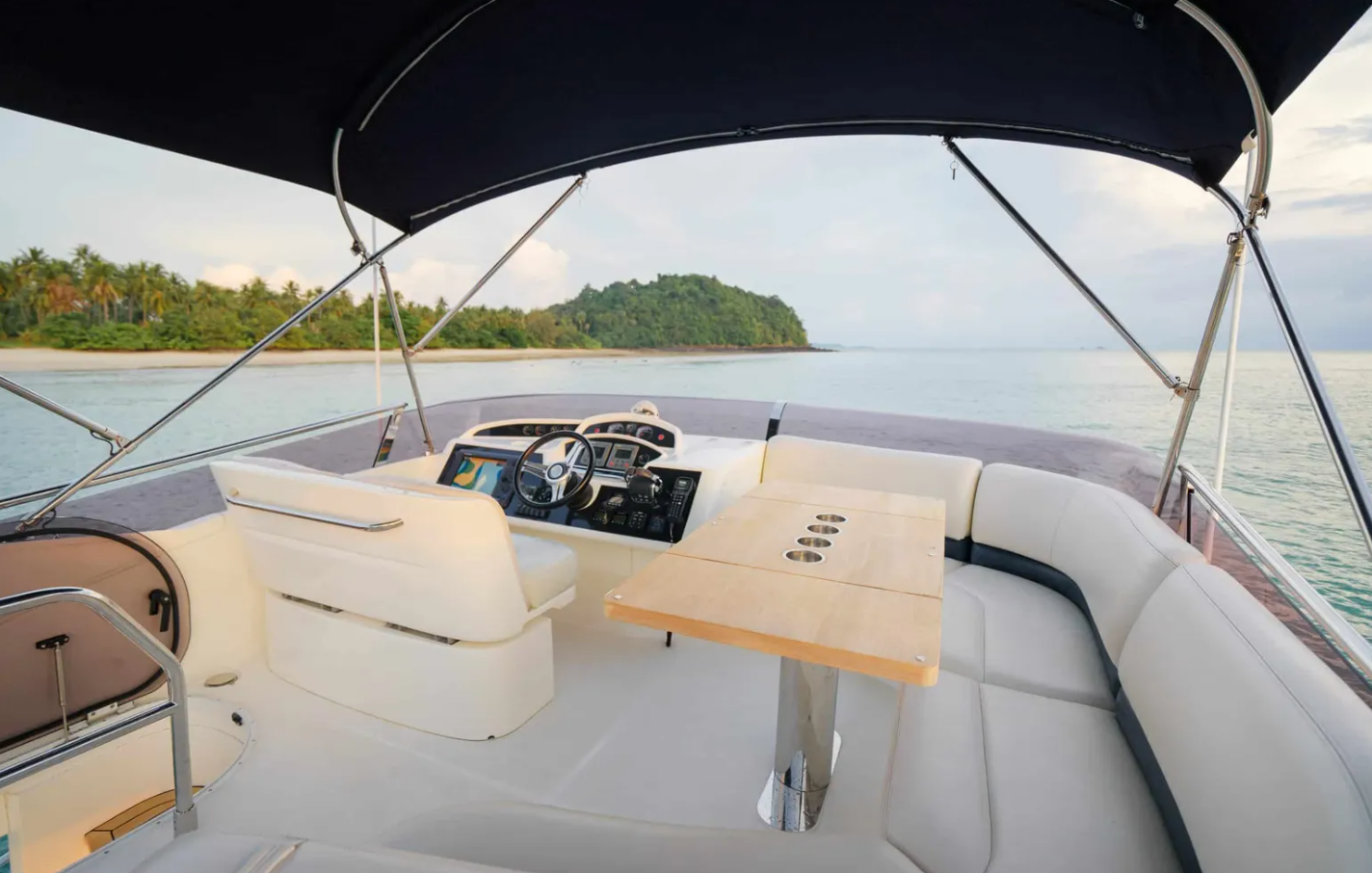
Cushion Construction Should Not Be Overlooked
The condition of the foam underneath the upholstery influences both comfort and durability. Repeated use can gradually compress cushioning, leaving seats uneven or less supportive.
Before reupholstering, owners should inspect the internal structure. Replacing worn foam can restore the shape of cushions and improve the overall seating experience.
Different areas may also require different levels of support. Helm chairs need to remain comfortable during extended periods of operation, while lounge cushions should provide suitable support for relaxation.
Combining appropriate foam with quality boat seat materials helps create a more complete and reliable upholstery solution.
Build a Simple Maintenance Routine
Regular care does not need to be complicated. A few consistent habits can help preserve marine upholstery between major cleaning sessions.
- Remove salt and dirt after boating trips.
- Clean spills before they become difficult to remove.
- Use products approved for the specific upholstery.
- Dry wet cushions thoroughly.
- Inspect seams, stitching, and cushion edges.
- Cover exposed seating when the vessel is stored.
Owners should avoid harsh chemicals unless the manufacturer specifically approves them. An unsuitable cleaner can damage certain finishes and reduce their original appearance.
Recognize When an Interior Needs Attention
Cracking, fading, loose seams, compressed cushions, and persistent stains can indicate that upholstery requires repair or replacement.
However, visible wear does not always mean the entire interior needs renovation. Some cushions may only require new foam, while other sections may benefit from replacement coverings or more extensive repairs.
A professional inspection can help determine the condition of the seating system and identify the most practical upgrade. It also provides an opportunity to reconsider colors, textures, and boat seat materials based on the vessel’s current needs.
Final Thoughts
Seasonal preparation and regular maintenance play an important role in preserving a boat’s interior. Sunlight, moisture, storage conditions, and everyday use all influence how marine seating performs over time.
Selecting suitable boat seat materials helps owners balance comfort, appearance, and practical durability. When material selection is combined with proper cushion construction and consistent care, an interior can remain attractive and enjoyable through many boating seasons.